
Christine Manga unpacks the key reasons why people living with diabetes may be temporarily or permanently deferred from donating blood.
Can I donate blood? is a common question among people living with diabetes. The short answer is yes, most people with diabetes can donate blood safely.
Many people who have prediabetes or early-stage diabetes may be unaware of their condition and still donate blood. People with Type 1 and Type 2 diabetes who are using insulin or oral medication are permitted to donate.
If you have diabetes, to donate blood, you should be eating a healthy, iron-rich diet and have good glucose control without frequent severe fluctuations. No specific HbA1c is stipulated by the South African National Blood Service (SANBS).
Common reasons for deferral
If you have experienced a hypoglycaemic coma in the last four weeks, there will be a four-month deferral period.
Kidney or eye disease resulting from diabetes will exclude you from donating.
There are no diabetes medications in South Africa that will prevent you from donating.
Other possible reasons that the donation will be deferred, not only for people with diabetes, are:
- The current use of antibiotics. Donations can be made seven days after completing the course.
- Acne medication carries a four-week to permanent deferral.
- Piercings, permanent make-up and tattoos require a three-month deferral.
- Donations can resume after three months of giving birth.
- Mothers who breastfeed can resume donations once they stop breastfeeding.
- Major surgery and any scopes require a three-month deferral.
On donation day, you should:
- Feel well, have no infections, even a sore throat or a cold.
- Eat a healthy, balanced meal within four hours of donating.
- Drink extra fluids.
- Get a good night’s rest the night before.
- Take a list of all medications you are taking, including those for diabetes and other conditions.
- Wear clothing that allows easy access to the arm where the blood will be drawn.
Post donation, you should:
- Have a snack.
- Check glucose levels for hypoglycaemia and be aware of hypoglycaemic symptoms, such as sweating, shaking, blurred vision, and extreme hunger. If the reading is below 3.9 mmol/L, you should consume 15 grams of carbohydrates, such as 100 to 150ml of juice, 4 to 5 jelly babies, or 3 teaspoons of sugar. Recheck the glucose level in 20 minutes; if it is still low, repeat the process. Once the blood glucose level is above 5 mmol/L, eat a snack containing carbohydrates and protein.
- Do more regular glucose measurements for the rest of the day.
- Drink extra fluids.
- Continue with an iron-rich diet to replenish the lost iron.
- Stick to light exercise only for at least 24 hours.
- Be aware that your HbA1c can be falsely low after a donation. This must be mentioned to your healthcare provider, as treatment changes should not be made on this false reading. This is due to the loss of red blood cells, which are the cells to which sugar attaches. It takes up to 12 weeks for these to replenish, mature, and return to an accurate HbA1c level.
SANBS requirements
SANBS has its own minimum requirements for anyone who would like to donate blood. These include:
- First time donors must be between 16 and 75 years old.
- Weigh > 50kg. For platelet donation >55kg.
- Haemoglobin >12 g/dL for males, >13g/dL for females.
- Systolic blood pressure between 100 and 180, diastolic pressure between 60 and 100.
- The pulse must be between 60 and 100.
- No blood donation in the last 56 days. This is the same for people with or without diabetes.
- General good health, living a low-risk lifestyle.
- Certain medications have a waiting period after finishing them and donating blood (View on sanbs.org.za)
In different countries, different rules apply to blood donation. For example, in the United Kingdom, people using insulin to manage their condition are not permitted to donate blood because this is said to protect the donor and recipient.
Did you know?
Donated blood is separated into three parts: red blood cells, platelets, and plasma,
which allows one donation to save up to three lives.
MEET THE EXPERT
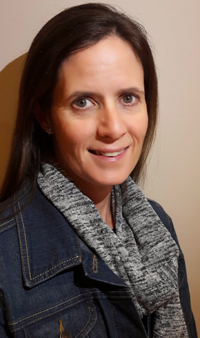
Christine Manga unpacks the key reasons why people living with diabetes may be temporarily or permanently deferred from donating blood. Christine Manga (Post Grad Dip Diabetes and MSc Diabetes) is a professional nurse and a diabetes nurse educator. She has worked with Dr Angela Murphy at CDE Centre, Sunward Park since 2012.
Services
OPENING HOURS
| Monday – Thursday | 8:00 – 17:00 |
| Friday | 8:00 – 16:00 |
| Weekends | Closed |